Your State Homeowner AlertConsumer Report
National AlertUpdated recently2 Min Read

URGENT ALERT: Why Thousands of Homeowners Are Unknowingly Harboring Silent Destroyers in Their Walls Right Now

If you assume your home is safe, you are taking an expensive gamble. A record-breaking surge in disease-carrying ticks and wood-destroying pests is quietly invading American properties right now. Most homeowners don't realize the damage until it is too late—and homeowners insurance almost never covers it.
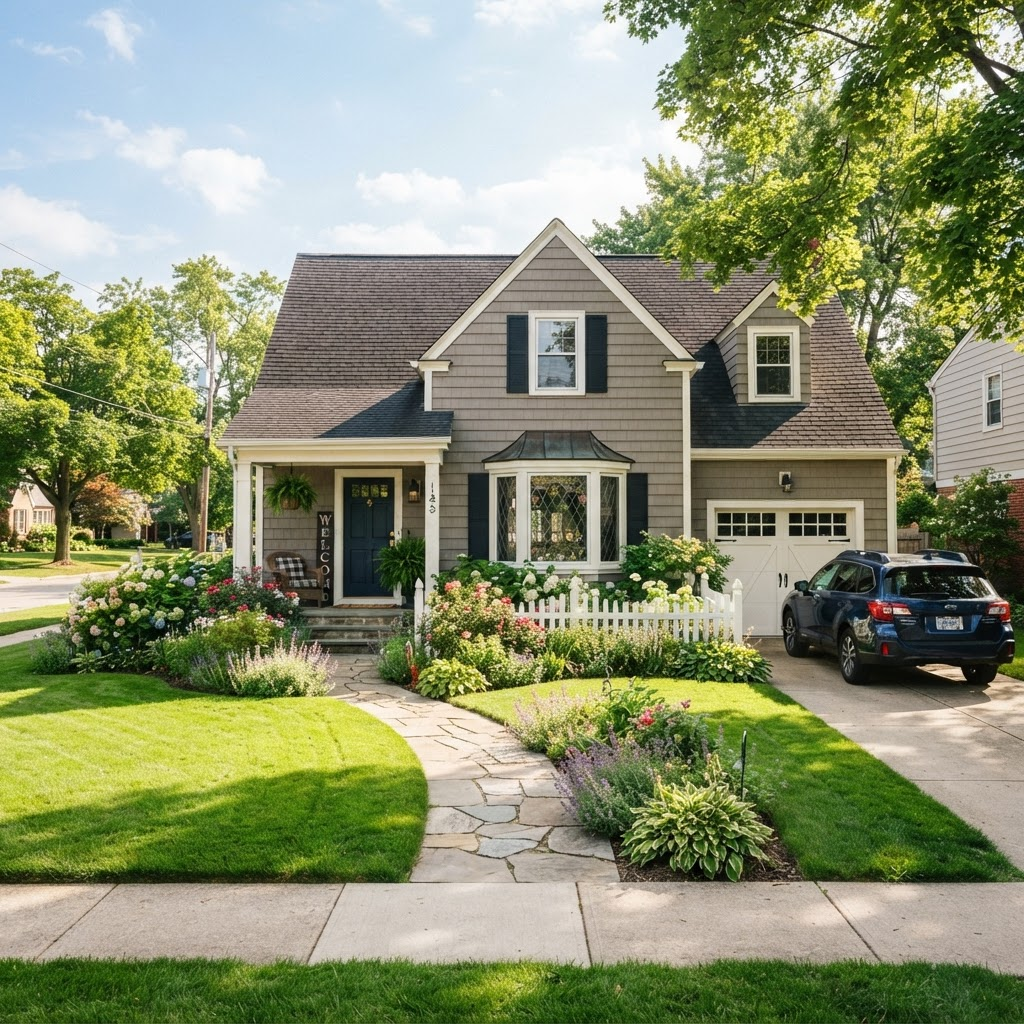
A clean, well-maintained suburban home with a lush green lawn
The most well-kept homes are often the most vulnerable—lush lawns and mild winters are fueling an unprecedented nationwide surge.
Check Your Local Home Safety Risk Level

Takes 30 sec • Free Assessment

Data and Standards Recognized By:

  • CDC Logo
    CDCData Source
  • NPMA Logo
    NPMAPest Mgmt. Assoc.
  • EPA Logo
    EPAApproved Methods
  • ABC Logo
    ABCNews
  • NBC Logo
    NBCNews

The Explosive Tick Surge and Their Hidden Vectors

Health officials are issuing emergency warnings. Milder winters have triggered an explosive surge in tick populations—and they are no longer staying outdoors. These aggressive parasites carry devastating pathogens, including Lyme disease, and are actively entering living areas on pets and clothing.

The threat escalates behind the scenes. Rodents act as an invisible shuttle service, transporting disease-bearing ticks and parasites directly into the walls, ceilings, and crawl spaces where your family sleeps every night.

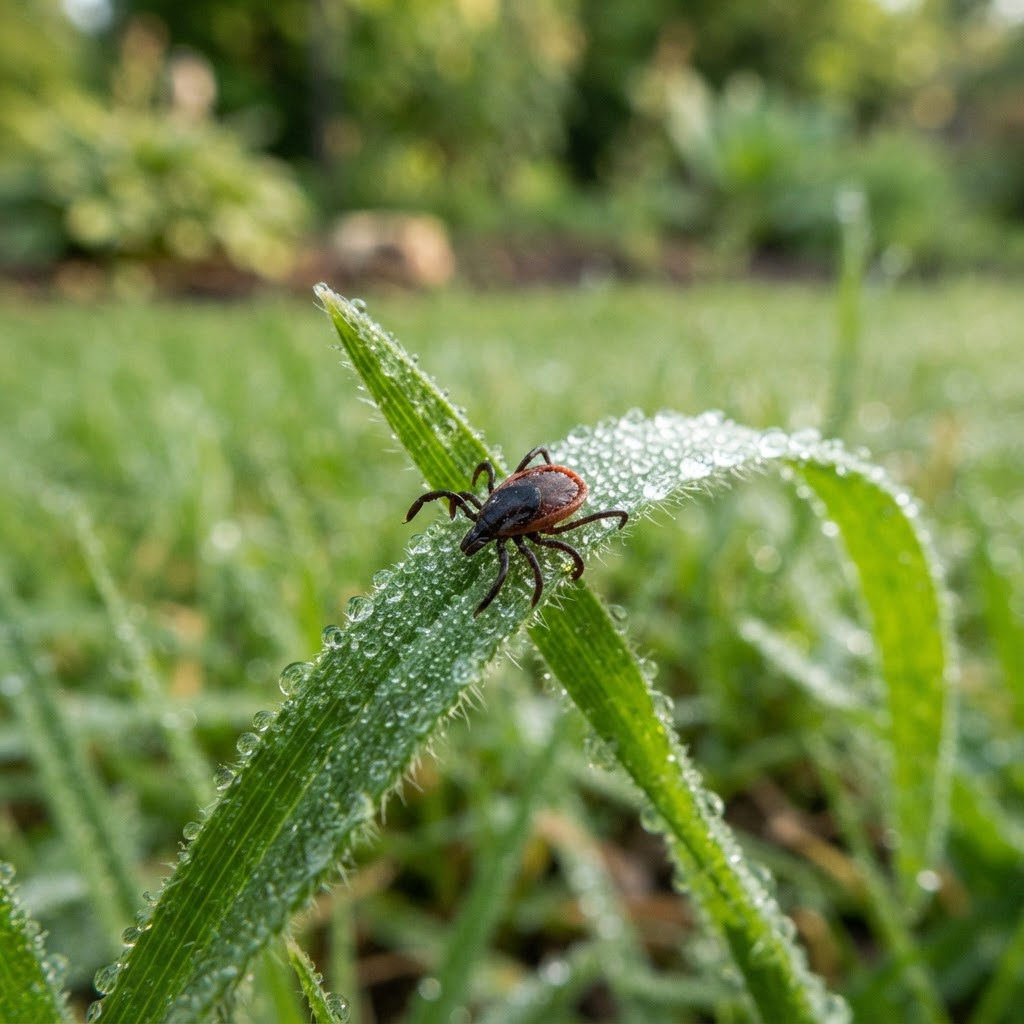
Macro photograph of a deer tick on a blade of grass in a backyard
Ticks and rodents work together as disease vectors, moving silently from lawns directly into living spaces.

CRITICAL CDC WARNING

Emergency room visits linked to tick bites have spiked to a 10-year record high. Infestations spread rapidly throughout properties before obvious symptoms appear.

Behind the Walls: The Unseen Structural Threat

While outdoor pests threaten your health, structural invaders threaten your life savings. Right now, thousands of unseen pests may be actively weakening the foundation and framing of your home.

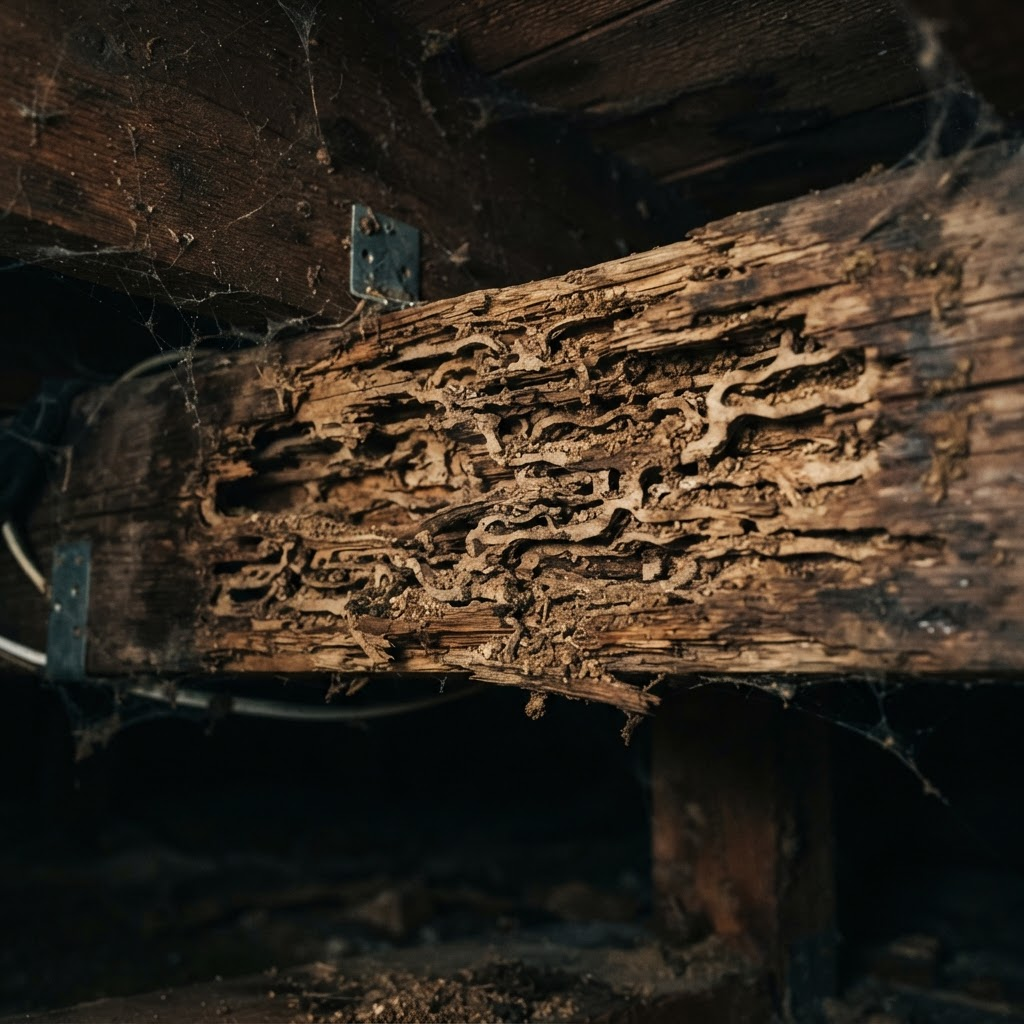
Close-up of termite damage on a wooden structural beam

Termites

The Silent Destroyers

They quietly consume load-bearing beams and support joists from the inside out, leaving hollow shells that can fail without warning.

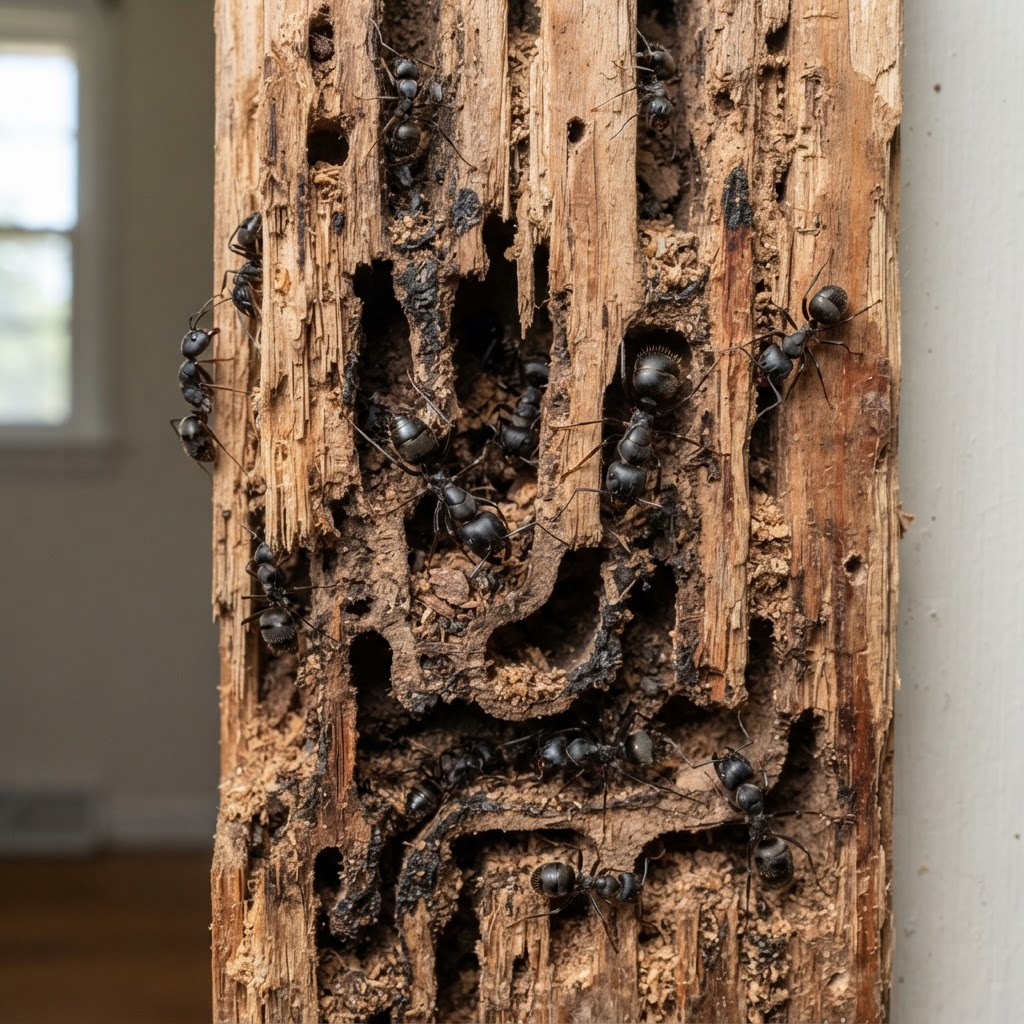
Close-up of carpenter ants on a damaged wooden door frame

Carpenter Ants

The Hidden Excavators

They relentlessly excavate door frames, subfloors, and wall cavities to expand their nests, destroying structural integrity day by day.

WARNING: Termites inflict over $5 Billion in UNINSURABLE structural damage every single year. Because standard policies exclude pest destruction, homeowners are forced to pay tens of thousands out-of-pocket when structural beams fail.

Exterminator's Alert: 3 Critical Warning Signs You Can't Ignore

Industry experts warn that waiting for obvious signs is a multi-thousand dollar mistake. If you spot even ONE of these 3 red flags, active destruction is likely already underway:

  1. 1

    Unexplained Sawdust

    Fine wood dust (frass) along baseboards, window sills, or trim means active colonies are actively carving out your wooden framework right now.

  2. 2

    Restless Pets

    Persistent scratching or agitation in pets after being outdoors signals disease-bearing parasites have already crossed your threshold.

  3. 3

    Hollow and Hidden Sounds

    Hollow-sounding door frames when tapped, or faint clicking inside drywall at night, indicates an established, thriving colony behind your walls.

DO NOT WAIT until catastrophic structural damage forces thousands in emergency out-of-pocket repairs.

Check your local area risk level immediately before small infestations become unfixable.

Continue to Risk Checker

Takes 30 sec • Free Homeowner Safety Assessment

This article is an advertorial and may contain promotional content. Availability and offers vary by location. Statistics referenced are for illustrative purposes.

© 2026 Homeowner Safety Journal. All rights reserved.

Are you in an affected zone?Check Your Local Risk Level